In short: A voicebot demo proves that the bot can talk. Only a pilot on your own calls proves that it resolves them. Start with one queue and a few routine questions, and send the bot a share of the traffic. Measure how many calls it resolves, why it hands the rest over and whether customers call back. Widen the scope only when those numbers hold up week after week.
Most voicebot decisions are made after a demo. The demo goes well because it is built to: a clean question, a quiet line and a scripted answer. Your callers will bring background noise, half-finished sentences and questions nobody wrote down. The way to find out what the bot does with them is to let it take real calls, in a controlled way, and measure the results.
A pilot limits what can go wrong to a small share of calls, while you learn what the bot can really do. A full rollout exposes every caller to the bot's first mistakes, and the only measure you get is the complaints. A pilot gives you numbers to decide with, and every caller can still reach a person.
| Big-bang rollout | Pilot on part of the traffic | |
|---|---|---|
| Who meets the bot first | Every caller, on day one | A share of callers in one queue |
| What you learn from | Complaints and escalations | Evaluations of every bot call, compared with agents' calls |
| Cost of a wrong answer | Repeated across all calls until someone notices | Limited to a few calls and fixed in the knowledge base that week |
| What the team sees | A tool that arrived finished | A tool they help shape, question by question |
| How you decide to expand | It's already everywhere | When the numbers hold up for several weeks |
Use your own numbers, not a vendor's promise. Count the calls that are routine questions with clear answers and multiply them by the time agents spend on them. Then add the calls that go unanswered or are answered too late today. The pilot then confirms or corrects the estimate.
The parameters that matter:
Frame the result as time given back to the team for the calls that need a person, not as fewer people.
That depends on the platform, so agree on it with IT and data protection before the pilot, not halfway through it. In Live Nova, the voice layer runs in zero-retention mode by default. The speech layer runs on specialised speech models, while the language model that decides what the voicebot says is chosen for each deployment. Our AI Agents post covers what happens to a call after it ends.
With the estimate and the data question settled, the pilot itself runs in five steps. Each step builds on the one before: the scope decides which knowledge to prepare, the routing decides which calls you measure, and the measurements feed the weekly decision.
Choose questions that come up often and have one clear answer, such as opening hours, required documents or the status of a request. Leave out anything that needs judgement, negotiation or bad news. Our post on what AI agents actually handle in a contact center, and what they hand to a human explains where that line usually sits.
Write the scope down before the pilot starts: which queue, which question types, and what the bot should do with everything else. Without that, every unexpected call turns into a debate about whether the bot failed.
The bot should answer only from content your team owns, not from whatever a language model happens to know. For each question type, the answer has to be written down, approved and kept up to date. If the answer depends on the customer's data, such as the status of their request, the bot also needs a connection to the system that holds it.
This step often takes more time than expected. It also tends to expose answers that agents give from memory and that were never written down at all.
Put the voicebot behind one IVR option or one skill group, or send it every N-th call in the chosen queue. The second option gives you a fair comparison: the same kind of callers, at the same times of day, reach the bot or an agent.
In Live Nova, VoiceBot is one more channel in the contact center, next to phone, email and chat, rather than a separate tool beside it. It sits behind your IVR or skill groups in Live Nova, which connects to your operator’s SIP trunk or existing IP PBX. When the bot can’t help, it hands the call to an agent.
Track six numbers from the first week, and compare the bot's calls with your agents' calls in the same queue. No single number is enough. A high share of resolved calls means little if the same customers call back two days later.
| Metric | What it tells you | What to watch for |
|---|---|---|
| Calls resolved without an agent | How much routine work the bot actually takes | Steady growth within the agreed scope |
| Hand-off rate and reasons | Where the knowledge or the scope falls short | The same reason repeating: an answer to write or a question to drop |
| Handling time of handed-over calls | Whether the hand-off saves agents time | Longer than agents' own calls means the context isn't getting through |
| Repeat contacts | Whether "resolved" really meant resolved | More repeat calls from bot callers than from agent callers |
| Answer accuracy in reviews | Whether the bot says the right thing | Wrong or outdated answers, traced back to the knowledge base |
| Abandoned calls | Whether callers drop out when they hear the bot | A higher abandon rate than in the agent group |
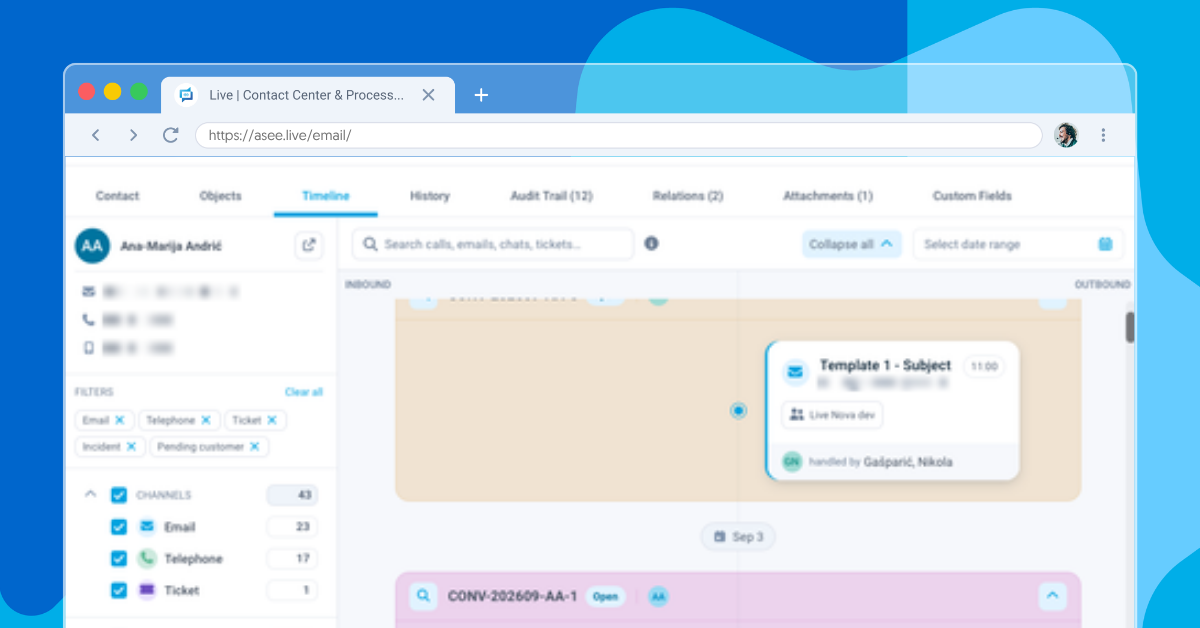
Live Nova evaluates every VoiceBot call, so the weekly review starts from the calls themselves, not from the few that someone remembers. When the bot hands a call over, the agent gets a summary of the conversation, so the handling time of those calls shows how much the hand-off is really worth.
Once a week, go through the numbers and a sample of evaluated calls with the team leads of that queue. Each review should end with a decision for every question type in scope:
Involve the agents in these reviews. They hear the calls the bot handed over, and they usually know which missing answer is behind them.
If you have a queue in mind for a pilot, book a demo and we'll walk through how it would run on your own calls.
A voicebot pilot is a limited test of an AI voicebot on real customer calls. The bot handles a few types of routine questions in one queue and takes only a share of the calls. The results are measured against agents' calls before the scope is widened.
Long enough to cover your normal weekly and monthly peaks and several weekly reviews. In practice that means weeks, not days. One quiet week can make a bot look better than it is, and one busy Monday can make it look worse.
Containment rate is the share of calls a voicebot resolves without transferring them to a human agent. Read it together with repeat contacts: a call counts as resolved only if the customer doesn't have to call back about the same thing.
Start with a small share in one queue, and raise it only when the results hold up. In Live Nova you can put the VoiceBot behind one IVR option or skill group, or send it every N-th call, which keeps the comparison with agents fair.
A steady share of calls resolved without an agent, and hand-offs whose reasons you know and are fixing. Repeat contacts should be no higher than for agents' calls, and reviews should show correct, current answers. All four should hold for several weeks in a row.
Yes. Only the calls routed to the bot meet it, and every caller can still reach an agent. When the bot hands a call over, the agent gets a summary of the conversation, so the customer doesn't have to repeat it.